

K-ETA Complete Guide 2026: Everything You Need to Know About Korea Electronic Travel Authorization
What Is K-ETA?
K-ETA stands for Korea Electronic Travel Authorization — an online travel permit system managed by the Korea Immigration Service under the Ministry of Justice. Launched on September 1, 2021, K-ETA serves as a pre-screening mechanism for foreign nationals from visa-exempt countries who wish to enter South Korea for short-term visits including tourism, business meetings, transit, and cultural activities.
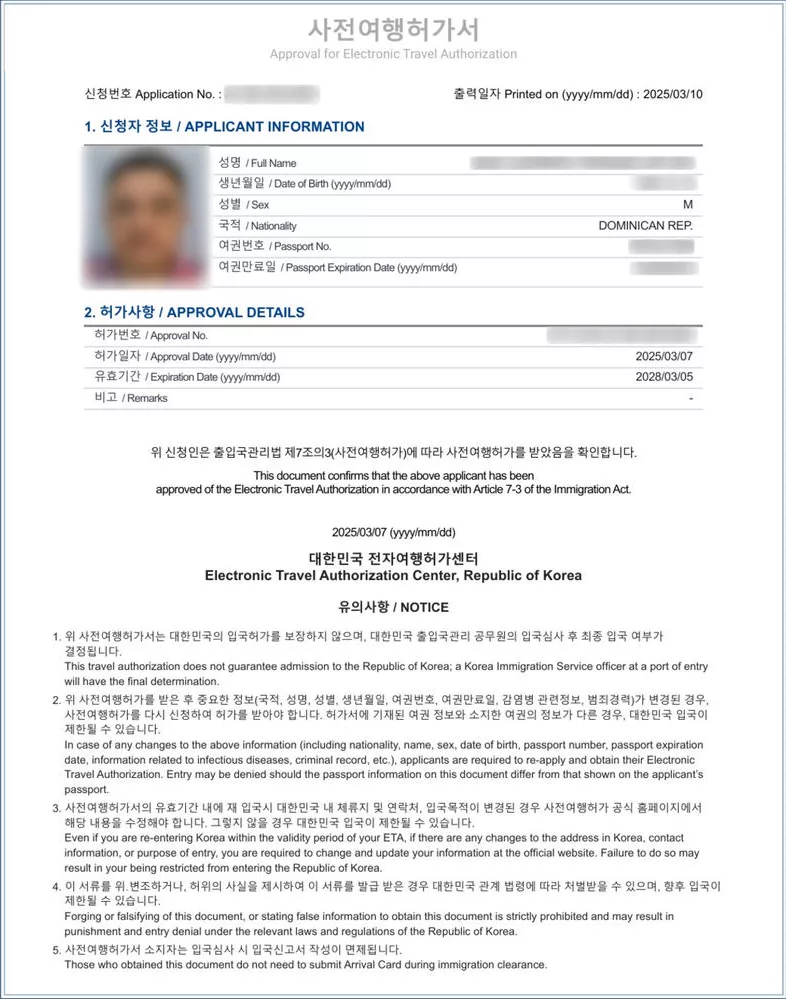
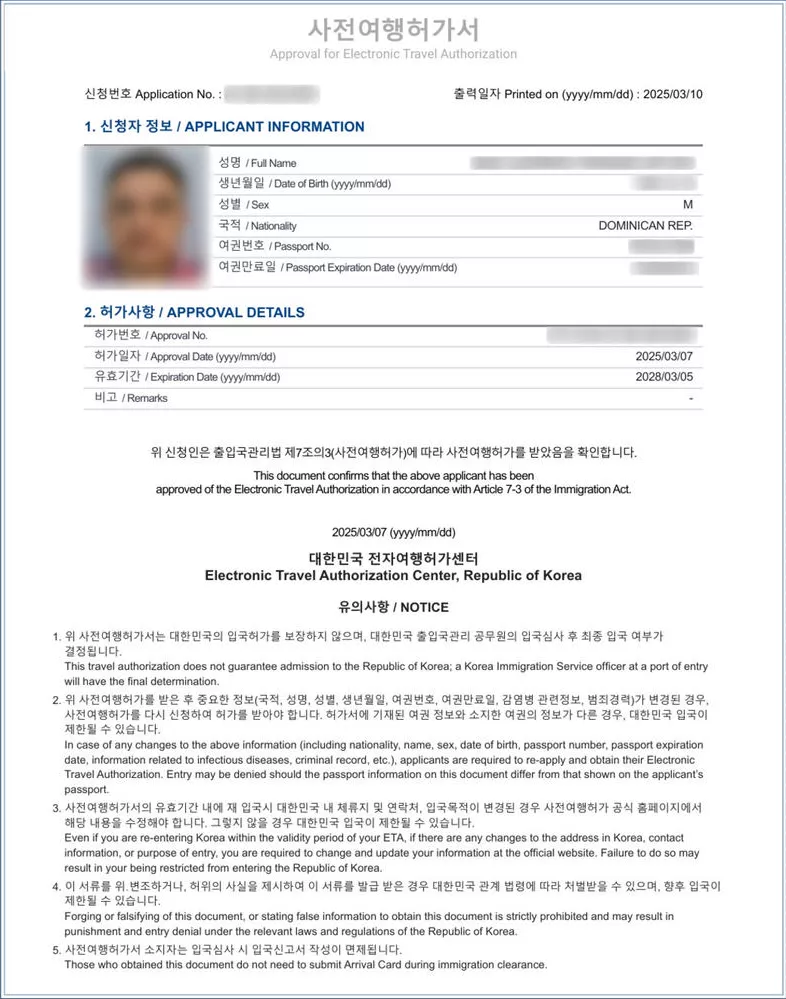
Unlike a traditional visa stamped in your passport, K-ETA is an entirely digital authorization. You apply online, receive your approval electronically, and Korean immigration officers can verify your status through their system when you arrive. The program was designed to streamline border entry procedures, enhance security screening before arrival, and reduce wait times at immigration checkpoints throughout South Korea.
The K-ETA is not a visa. It is a travel authorization that works alongside existing visa-waiver agreements between South Korea and partner nations. If your K-ETA application is denied, you can still apply for a regular visa through a Korean embassy or consulate.
K-ETA Exemption Status in 2026
One of the most frequently asked questions about K-ETA is whether it is still required. Here is the current situation as of 2026:
K-ETA is temporarily exempt for nationals of 22 countries and regions from April 1, 2023 through December 31, 2026 (Korea Standard Time). The South Korean government extended this exemption for an additional year in December 2025 to stimulate tourism industry growth.
The exempt countries include:
- United States
- United Kingdom
- Japan
- Taiwan
- Hong Kong
- Macau
- Canada (for short-term stays)
- Australia
- New Zealand
- Singapore
- Malaysia
- Thailand
- Philippines
- Indonesia
- Vietnam
- Colombia
- Peru
- Guam (US territory)
- Northern Mariana Islands (US territory)
- Brazil
- Argentina
- Mexico
What the exemption means in practice: Citizens of these countries do not need to obtain K-ETA approval before traveling to South Korea for stays of 90 days or less for tourism or business purposes. However, those who wish to receive the benefits of K-ETA approval — such as skipping the paper arrival card — may still apply voluntarily. In that case, the standard application fee applies.
Important: Even with the K-ETA exemption, travelers from these countries still need a valid visa for employment, teaching English, studying, or any stay longer than 90 days. The exemption covers tourism and short-term business visits only.
Who Needs K-ETA?
K-ETA is mandatory for nationals of countries and territories that have visa-waiver agreements with South Korea, except those currently covered by the temporary exemption described above.
As of 2026, citizens of the following groups should pay attention:
Must apply for K-ETA:
- Nationals of visa-exempt countries not on the exemption list (this includes most EU member states, South American nations without exemptions, and various other countries)
- Travelers who want to use the streamlined entry process even if their country is exempt
Do NOT need K-ETA:
- Citizens of the 22 temporarily exempt countries/regions listed above (valid through December 31, 2026)
- Children aged 17 and under (exempt from K-ETA since July 3, 2023)
- Adults aged 65 and older (exempt from K-ETA since July 3, 2023)
- Travelers holding diplomatic or official passports (separate entry arrangements apply)
- Travelers who already hold a valid Korean visa
Age exemptions: Since July 3, 2023, travelers aged 17 and under and adults aged 65 or older are exempt from the K-ETA requirement regardless of nationality. This policy remains in effect indefinitely.
How to Apply for K-ETA
Applying for K-ETA is a straightforward online process that takes approximately 15 to 20 minutes. Here is the step-by-step process:
Step 1: Access the Official K-ETA Platform
You can apply through either:
- **Official website:** [k-eta.go.kr](https://www.k-eta.go.kr)
- **K-ETA mobile app:** Available for download on iOS (App Store) and Android (Google Play)
Always use the official platform. Third-party websites may charge inflated fees or collect your personal data without proper authorization.
Step 2: Create an Account and Enter Personal Information
You will need to provide:
- A valid email address (used for receiving your approval result)
- Full name as it appears on your passport
- Date of birth
- Nationality
- Gender
Step 3: Enter Passport Information
Provide your passport details including:
- Passport number
- Passport expiry date (your passport must be valid for at least 6 months from your intended date of entry)
- Country of issuance
Step 4: Upload a Face Photo
You must upload a recent color photograph of your face. Requirements include:
- Taken within the last 6 months
- Clear, front-facing view of your face
- White or light-colored background
- No hats, sunglasses, or items obscuring your face
- File format: JPEG or PNG
- File size: typically under 1 MB
Step 5: Provide Travel Information
Enter your intended travel details:
- Purpose of visit (tourism, business, transit, etc.)
- Expected date of arrival in South Korea
- Accommodation address in South Korea (hotel name and address)
Step 6: Pay the Application Fee
The K-ETA application fee is KRW 10,000 (approximately USD 7-8) plus applicable taxes. Payment is accepted by credit card only. Debit cards and other payment methods are not supported.
Step 7: Submit and Wait for Approval
After submission, you will receive the result via email within approximately 24 hours. In most cases, approval comes within a few hours. You can also check your application status on the official website using your application number.
Pro tip: Apply at least 72 hours before your departure to allow time for processing and any potential issues. While most approvals come within 24 hours, some applications may require additional review.
K-ETA Validity and Duration
Once approved, your K-ETA is valid for 3 years from the date of approval. During this period:
- You can make multiple trips to South Korea without reapplying
- Each individual stay can last up to the visa-waiver duration for your nationality (typically 30, 60, or 90 days)
- You do not need to reapply for each trip
- If your passport expires, you must apply for a new K-ETA with your new passport details
For example, if you hold a US passport (currently exempt) and you voluntarily obtain a K-ETA, you can use it for multiple visits to Korea over the 3-year validity period without reapplying each time.
K-ETA vs. e-Arrival Card: What Is the Difference?
Many travelers confuse K-ETA with the Korea e-Arrival Card. These are two separate systems:
| Feature | K-ETA | e-Arrival Card |
|---|---|---|
| Purpose | Pre-travel authorization | Arrival declaration form |
| Managed by | Korea Immigration Service | Ministry of Justice |
| When to apply | Before departure | Within 3 days before arrival |
| Cost | KRW 10,000 + tax | Free |
| Validity | 3 years | Single use per entry |
| Required for | Visa-exempt nationals (when not exempt) | All foreign nationals entering Korea |
The e-Arrival Card (available at e-arrivalcard.go.kr) replaced the traditional paper arrival card that travelers used to fill out on the plane. It is free to complete and must be submitted within 3 days before your arrival in South Korea. The e-Arrival Card collects information about your travel itinerary, accommodation, and purpose of visit.
If you have a valid K-ETA approval, you do not need to submit the e-Arrival Card separately — the K-ETA approval covers the arrival declaration.
Countries Eligible for K-ETA
Citizens of more than 100 countries and territories can apply for K-ETA based on their visa-waiver agreements with South Korea. The main eligible groups include:
6-month stay privileges:
- Canada
90-day stay privileges:
- All European Union member states (with some exceptions)
- United States
- United Kingdom
- Australia
- New Zealand
- Japan
- Taiwan
- Singapore
- Malaysia
- Thailand
- And many more
60-day stay privileges:
- Selected countries with bilateral agreements
30-day stay privileges:
- Various countries with limited visa-waiver arrangements
For the complete and up-to-date list of eligible countries, visit the official K-ETA website.
Common K-ETA Application Mistakes
Avoid these frequent errors that lead to K-ETA rejections or delays:
- **Passport validity less than 6 months** — Your passport must be valid for at least 6 months from your intended entry date into South Korea.
- **Incorrect passport information** — Double-check your passport number, expiry date, and personal details. Even small typos can cause rejection.
- **Poor quality photo** — Blurry, dark, or incorrectly formatted photos are a leading cause of rejection. Follow the photo guidelines carefully.
- **Using third-party services** — Unauthorized websites charge extra fees and may mishandle your personal data. Always use the official k-eta.go.kr platform.
- **Applying too late** — While most approvals come within 24 hours, some require additional processing. Apply at least 72 hours before departure.
- **Name mismatch** — Your name on the K-ETA application must match your passport exactly. Include middle names if they appear on your passport.
- **Previous overstays** — If you have overstayed a previous visit to South Korea, your K-ETA application may be denied. Contact a Korean embassy for guidance.
K-ETA Fees and Payment
The K-ETA fee structure is straightforward:
- **Application fee:** KRW 10,000 (approximately USD 7-8)
- **Tax:** Additional tax applies (varies slightly)
- **Payment method:** Credit card only (Visa, Mastercard, JCB, American Express)
- **Refund policy:** The application fee is **non-refundable**, regardless of whether your application is approved or denied
If you previously obtained a K-ETA and are currently exempt from the requirement, your existing K-ETA remains valid until its expiration date. The fee paid is non-refundable.
What to Do If Your K-ETA Is Denied
If your K-ETA application is rejected, you have several options:
- **Review the rejection reason** — The denial email typically includes the reason for rejection. Common reasons include data entry errors, passport validity issues, or security concerns.
- **Reapply with corrected information** — If the rejection was due to a data error, you can submit a new application with the correct details. A new fee will be charged.
- **Apply for a regular visa** — Visit your nearest Korean embassy or consulate to apply for a standard visitor visa. This process takes longer but provides an alternative pathway.
- **Contact K-ETA support** — For questions about your application, use the inquiry function on the official K-ETA website or contact the Korea Immigration Service directly.
K-ETA for Transit Passengers
If you are transiting through South Korea (for example, at Incheon International Airport) and plan to leave the airport, you may need a K-ETA depending on your nationality and the current exemption status.
Transit without leaving the airport: K-ETA is generally not required for airside transit where you remain in the international transit area.
Transit with leaving the airport: If you plan to exit the airport during a layover (for example, to visit Seoul during a long connection), you need K-ETA or must qualify for an exemption.
Transit Tourism Program: South Korea offers a Transit Tourism Program that allows passengers with layovers of certain durations to take guided tours without a visa. Check the current requirements before your trip.
Tips for a Smooth K-ETA Experience
- **Apply early:** Submit your K-ETA application as soon as your travel plans are confirmed. Don’t wait until the last minute.
- **Keep your application number:** Save the confirmation email with your application number for reference.
- **Check your email regularly:** Approval notifications are sent via email. Check your spam folder if you don’t receive a response within 24 hours.
- **Print a copy:** While not required, having a printed or digital copy of your K-ETA approval can be helpful at check-in counters.
- **Verify exemption status:** Before applying, check whether your nationality is currently exempt from K-ETA requirements. This can save you the application fee.
- **Keep your passport consistent:** If you renew your passport, you must apply for a new K-ETA with your updated passport information.
Frequently Asked Questions
Is K-ETA still required for South Korea in 2026?
K-ETA is temporarily exempt for citizens of 22 countries including the United States, United Kingdom, Japan, and others through December 31, 2026. Citizens of non-exempt visa-waiver countries still need K-ETA. Always check the official K-ETA website for the most current exemption list.
How much does K-ETA cost?
The K-ETA application fee is KRW 10,000 (approximately USD 7-8) plus tax. Payment is by credit card only, and the fee is non-refundable.
How early should I apply for K-ETA?
Apply at least 72 hours before your departure. Most approvals are issued within 24 hours, but some applications require additional processing time.
Do US citizens need K-ETA for Korea in 2026?
No, US citizens are currently exempt from K-ETA requirements through December 31, 2026. This exemption covers tourism and business stays of 90 days or less. US citizens may still voluntarily apply for K-ETA to skip the e-Arrival Card process.
How long is K-ETA valid?
K-ETA is valid for 3 years from the date of approval. During this period, you can make multiple trips to South Korea without reapplying.
Can I get a refund if K-ETA is exempt for my country?
No, the K-ETA application fee is non-refundable. If you applied before the exemption was announced, the fee cannot be refunded.
What is the difference between K-ETA and a visa?
K-ETA is a simplified electronic travel authorization for short-term visits from visa-exempt countries. A visa is a more comprehensive permit that allows for longer stays, employment, study, or other specific purposes. K-ETA is faster and cheaper to obtain but has more limited scope than a visa.
Do children need K-ETA?
No. Since July 3, 2023, travelers aged 17 and under are exempt from K-ETA requirements regardless of nationality.
This guide is updated regularly to reflect the latest K-ETA policies and procedures. For the most current information, always consult the official K-ETA website and the Korea Immigration Service.